



What We’re Watching This Week

Mayor Jones is calling for a vote on the city’s Project Marvel spending. In a memo last Friday, Jones proposed a November election on the arena funding for Project Marvel: “Since they pay twice, city voters deserve to vote twice,” as residents fund both the county’s $311 million, approved last November, and the city’s $489 million. Here’s the snag: the county’s venue tax legally required an election but the city’s share doesn’t. It’s built from Project Finance Zone hotel-tax revenue, Spurs lease payments, and debt against projected downtown property-tax growth, instruments that don’t need a vote, as city officials have maintained all along. As such, it’s unclear what exactly the ballot language would legally bind, and we are fast approaching the deadline. So Jones is asking colleagues to volunteer for a vote the financing was structured not to need, and it seems unlikely she will secure the required votes. Though we support certain proposals raised by Mayor Jones, including ending Ready to Work, throwing everything back to the voters is an unsustainable governing model (and this one feels personal.) We’re watching because we expect August 17 to pass with no vote—the default when none is required—and whether the episode costs her more of her increasingly dwindling political leverage.
Gov. Abbott is looking to break energy monopolies in Austin and San Antonio. He called on the Legislature to open municipal utilities to retail competition, claiming a 10-20% savings and objecting that 100,000-plus ratepayers outside city limits fund a budget they can’t vote on: “This is taxation through electricity prices without representation.” Purely on the mechanism, Gov. Abbott is correct. CPS sends the city 14% of its gross revenues in lieu of property taxes, working out to roughly a quarter of the general fund, and it never appears on a ballot. It is effectively the largest unasked question in city finance. Here’s the thing, though: this is a campaign announcement. Though it will likely find its way into the Governor’s legislative priorities, this won’t materialize until the 2027 session and any form of implementation would be years off. That said, San Antonio lacks influence in Austin compared to peer cities and it is likely that this proposal would make it to the floor in some form. We’re watching to see precisely what language is filed, whether the San Antonio and Austin delegations put up meaningful resistance, and what kind of preemptive measures CPS takes in the interim.
The county finally answered on the jail: one real action, two items scheduled. Last week we promised an update after Commissioners Court’s August 4 discussion on the deaths at Bexar County Jail, and our reporter Jarrett Whitener sat through all three hours of it. The action: health screenings will move earlier in the booking process, an intervention aimed at the 44% of jail deaths that happen within the first seven days of custody. Everything else got scheduled rather than decided. Abolishing double magistration, the duplicated city-county intake the Express-News editorialized against, is now on the county’s own agenda, but it needs City Council support and likely won’t move until later this year. Capital projects to add mental health beds got ideas floated, with costs and selection still to come. Both will bleed into budget season, where the backdrop is already stark: $3.7 million just to house overflow inmates in Kerr and Burnet counties over nine months. We’re watching to see whether one action and two agenda items become budget lines this fall.
The Civic is independent, nonprofit, and nonpartisan. We are supported entirely by our readers and our Charter members. Consider supporting our work.
The Reframe
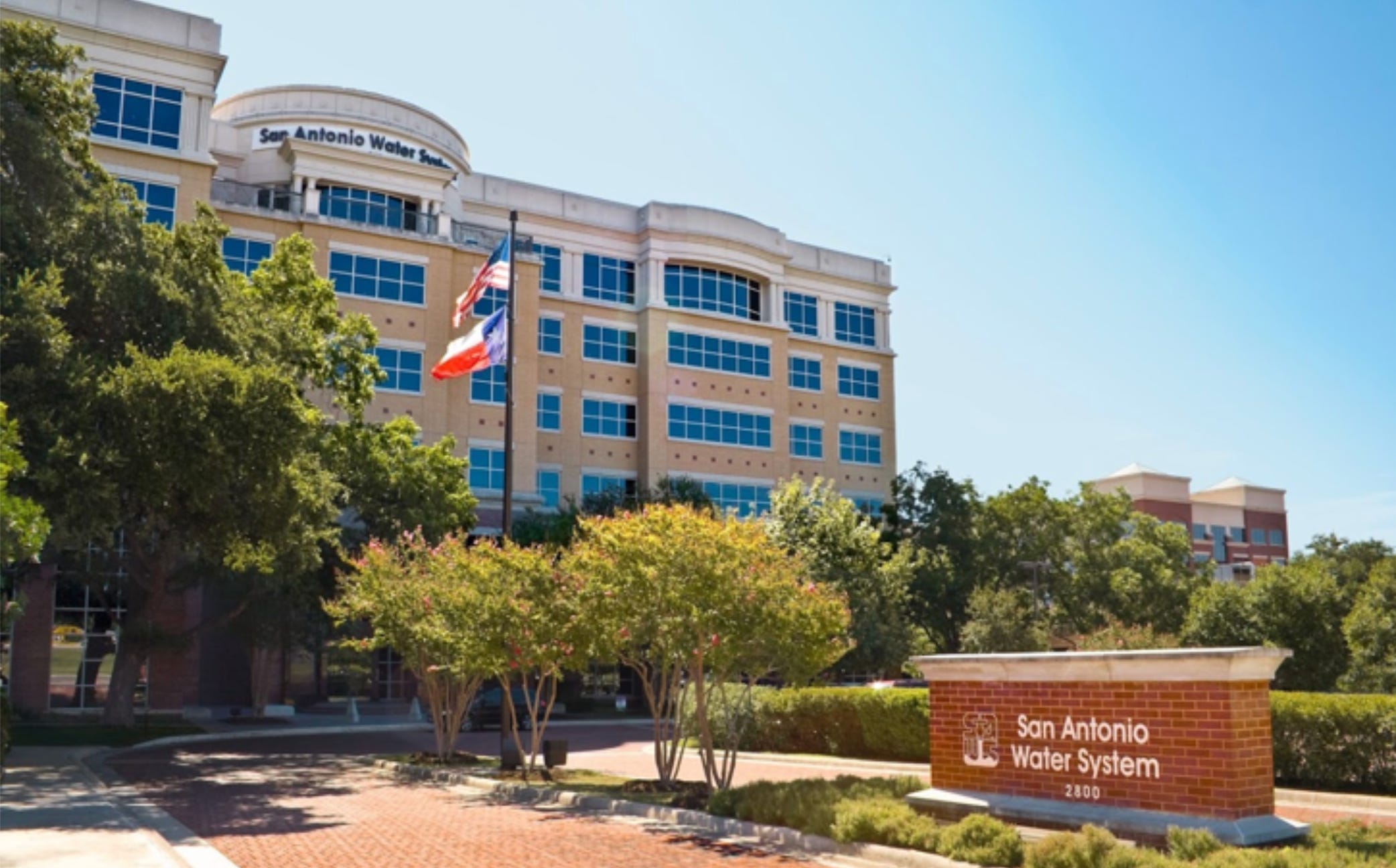
After City Council delays vote on water rate increase, SAWS cuts capital plan by $594M (SA Report) → A "no" vote isn't free: the council's delay got us the same 30% rate increase, minus $600 million of improvements. In June, council punted the utility’s rate case on a 6-5 vote, with members citing leaks, lost water, and distrust of CEO Robert Puente. On Tuesday the SAWS board answered with a capital program trimmed to $2.6 billion, a reduction of almost $600 million from the original, and rate increases pushed to January 2027. Delay was seen as the prudent, cost-free option: oversight in action, council withholding approval until it gets accountability. Putting off the vote, though, had consequences which were warned of at the time. The rate ask is still roughly 30% but now it buys $600 million less. Ratepayers get the same increase with fewer dollars for improvement, plus steeper hikes in 2029 and 2030. The performance of accountability defunded the thing it was performed about.
San Antonio’s Ready to Work needs improving, but it’s working and should stay (Express-News) → This is the defense we’ve been asking for: one argued on the merits and not on values. And it’s still wrong. Credit to professor Amberg: he engages the numbers, which puts him ahead of most that are defending this program. But watch the data he uses: $22.50 is the average wage for the graduates the program places, and per the program's dashboard, that's 5,845 approved placements against 17,038 enrolled in training. The headline wage describes only a third who actually make it through the program. Note the sleight underneath, too: he dismisses the $15 goal as “always far too low,” yet $15 is the floor the dashboard certifies an approved placement at. He's grading the program on its average while waving off the promise it's actually measured against. His most honest line is the concession: some of the biggest employers treat Ready to Work as a welfare program. Employer integration wasn’t just a feature of the model, it was supposed to be a core strength of the model. A better-run version of a program employers won’t use is polishing the supply side of a demand-side failure. The Mayor is right.
San Antonio has an opportunity to get data center growth right (Express-News) → Councilman Whyte will catch bipartisan flack for this, but he’s right. The two easy positions on data centers are reflexive boosterism and reflexive boogeyman, and they’re both foolish, as last week’s Reframe and the Governor’s moratorium each demonstrate in their own way. Whyte takes the harder, more adult perspective: they’re coming so we need to set the standards. This is worth applauding because being measured and thoughtful about these issues is often a political detriment, not a positive. And he drew up a solid list of concerns: closed-loop cooling as the expectation rather than the exception, demand response and flexible load agreements, buffers and zoning handled before construction instead of after, and large loads paying “more than their fair share” of the infrastructure they require. That last phrase, volunteered by a sitting pro-business councilman, is worth noting. A city $158 million short cannot refuse commercial tax base to make an empty political statement, the opportunity has always been being the city that’s smart about data centers.
Belgian biotech Ynios Pharma picks San Antonio for U.S. HQ (Business Journal) → The best economic development news of the week arrived without a subsidy, a referendum, or a press war. Valedyn Inc., the U.S. arm of Belgium’s Ynios Pharma, will develop an intravenous therapeutic to stabilize patients in severe trauma or critical illness from San Antonio after a national search. Why here? The one asset no competing city can replicate: the country’s densest concentration of military medicine and trauma expertise. Ynios Pharma founder Jean François Plucker said San Antonio combines those strengths “in a way we did not encounter elsewhere.” BioMedSA met the company through the Belgian Trade Commission and got San Antonio added to a Texas tour; VelocityTX had a facility ready on day one. This is a great, repeatable method: know what advantages you have and make it easy to plug into. More of this, please.
The Pick
Our weekly recommendation for what’s going on in San Antonio

Hamilton, closing weekend at the Majestic
Final performances run through Sunday, August 9, at the Majestic Theatre, 224 E. Houston St. A musical about the Founders brawling over debt, taxes, and who gets to be in the room where decisions happen… Subject matter readers of this week's edition may find familiar.
Thanks for another week. Follow us on your platform of choice: X/Twitter, LinkedIn, Instagram, and Facebook. Story tips and reader notes go to our reporter Jarrett Whitener at jarrett@thecivic.com, and my inbox is always open.
A particular thanks to our Charter members, whose continued generosity allows us to operate.
Enjoy your weekend and see you Tuesday.
- Philip Reichert
Editor, The Civic
San Antonio has never practiced "economic development", it has only practiced subsidized business development passing for ED. Business development is a private concept, ED is a public concept. Concepts do matter if you want to know the truth.