


Two weeks ago, five San Antonio-area school districts asked voters to raise their tax rates. Four lost, and the fifth passed only on votes from Guadalupe County. San Antonio ISD and Northside ISD also asked for nearly $1.5 billion in bonds and lost every proposition.
The same night, nearly nine in 10 voters nationwide said the cost of living was a major factor in their vote during the midterms—an election that became a referendum on affordability. The week before, the city’s Department of Human Services reported that 44 percent of Bexar County residents struggle to afford basic needs.
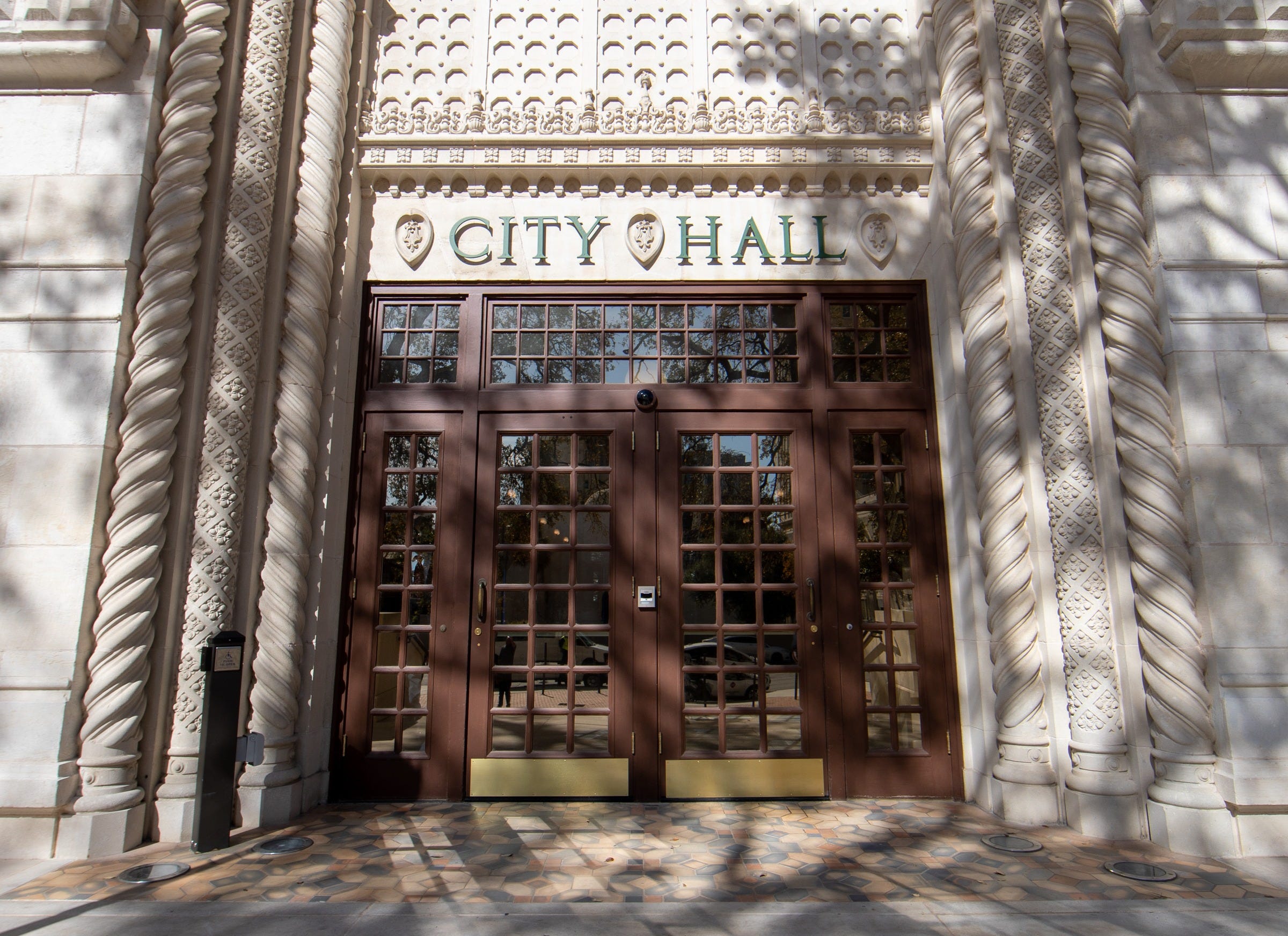
City Hall had already run the other direction. In September, city council raised the property tax rate for the first time in more than three decades, and the same budget raised or created more than 100 fees. A second rate increase is already expected, and it would not be out of the question to see more funny math with the fees.
In August, before that vote, we argued that when government raises its own cost on the taxpayers, it creates an obligation to lower costs where possible. The council has raised its costs, but has not committed to lowering them elsewhere.
The city cannot do much about the price of groceries or gas but it does control several other costs, which it could lower. Here are three things the city should do, starting now, to make things easier on San Antonians.
1. Reform parking mandates for builders. Every parking space the city mandates has a cost, and it’s ultimately paid by whoever rents or shops at those businesses. The city knows this—it already requires no parking downtown, and the transit zoning it adopted in 2024 cuts the requirement in half for housing and to zero for mixed-use projects. The framework the council approved in the same vote includes a proposal to eliminate minimums citywide. Austin did that in 2023, with significant support (an 8-2 margin in city council). San Antonio’s development code opens for amendments in January and city staff should file the change the council has already endorsed.
2. Put a price on every new rule. Texas law requires every state agency, before it adopts a rule that may hurt small businesses, to project the economic impact and to describe other ways of achieving the same results. San Antonio does a version of this for amendments to its development rules, which go through a cost impact review. The fire code is a different chapter. A 2018 provision impacted the Bonham Exchange as a sprinkler bill costing over half a million dollars, and the club closed on August 1 to install the system. Attach one page to any code change demonstrating what it will cost, and that the cheaper alternative that was considered.
3. Make a new business’s first year free. San Francisco, of all places, has done this since 2021. It waives first-year permit, license and registration fees for new small businesses, with no application. More than 15,000 have enrolled, and the cost of the waivers came to $2.8 million last year. San Antonio’s budget is about $4.4 billion. The city already waives development fees for some housing and small-business projects, by application, and businesses praised that program in a city survey. We should make the first year entirely free for all new businesses.
None of this would replace the larger work we laid out in August—raising what people earn and making government cheaper to run. These are easy changes to make: the first takes six votes and the council has already endorsed it in part, the second could be enacted by the city manager, and the third just costs a small line in the budget.
And the list is by no means exhaustive. Ask any job creator who has interfaced with the city and they could produce a list of the hoops that make it more difficult to create jobs and products here. Those hoops are nothing more than indirect taxes on San Antonians, artificially increasing costs.
Voters have made it clear what they think of higher costs. These three belong to City Hall. Cut them.
These examples are nickels and dimes in comparison to the billions spent subsidizing the commercial real estate industry w/o anyone bothering to demonstrate a ROI back to its PUBLIC INVESTORS. Who is representing & fighting for the public's interests, using their money? Why is civic success defined by subsidizing the built environment? Where is our “watchdog” press the past 50 yrs?