



What We’re Watching This Week
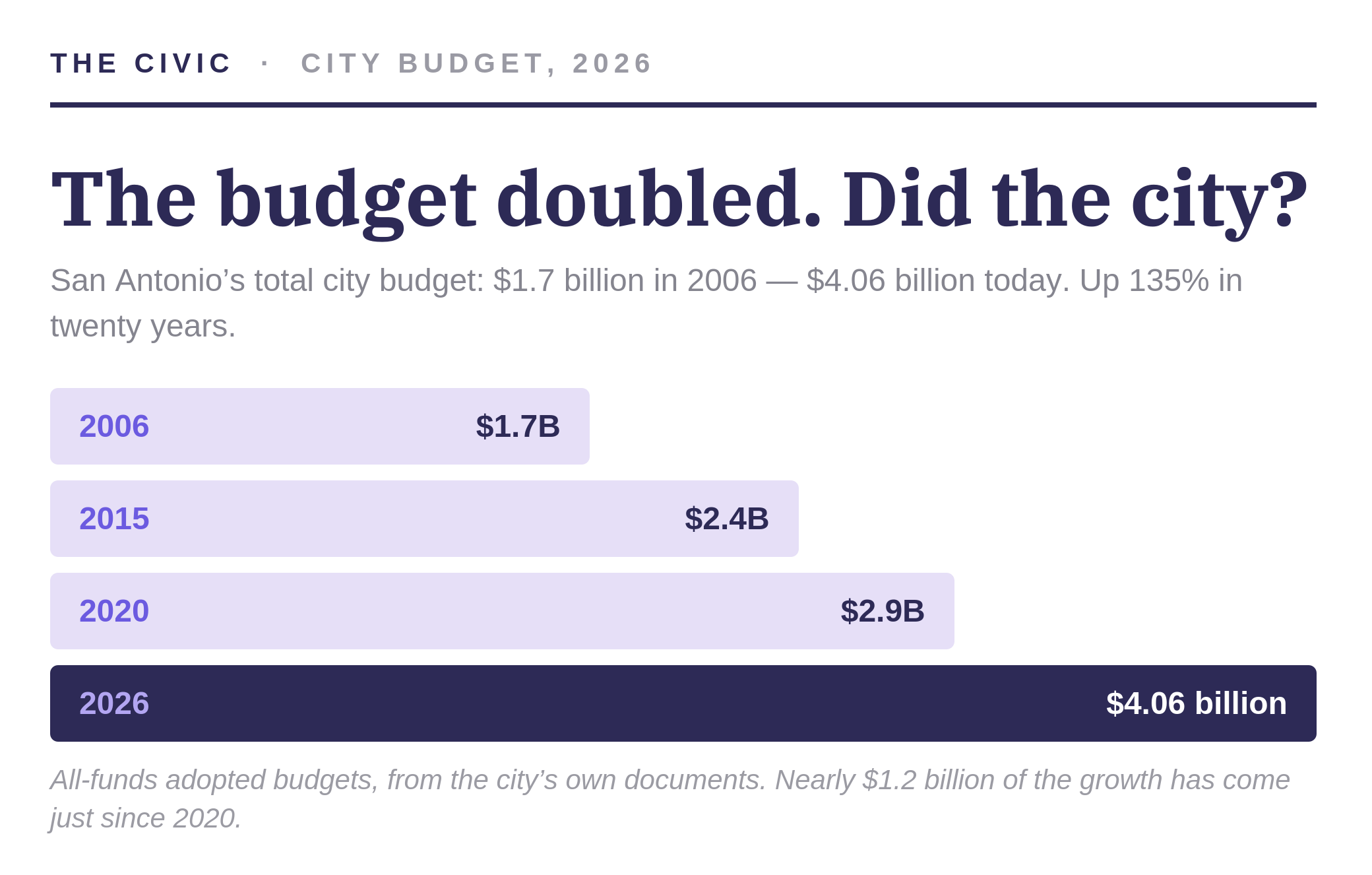
City Council will be briefed on a trial budget for 2027 next Thursday. Inside it, the first proposed property tax rate increase since 1993. The city's own forecast shows a $131 million gap by 2028 that deepens to $264 million by 2031, and even maxing out the rate to its highest level since 2007 only raises about $53.8 million, while new police and fire costs alone add $77.2 million to the next budget. Our chart tells the longer story: the budget has more than doubled in twenty years, and the looming fiscal crunch was forecast, repeatedly. Despite this, council kept spending anyway. We're watching because trial budgets are the skeleton for proposed budgets, and this will be the first clue as to what gets meaningful cuts. Our full case for meaningful reductions in the city budget runs next Tuesday.
SAWS lowered the ask for its rate increase. After a review by city public utilities staff, the possible rate increase on the average residential bill could rise $3.91 this year instead of the $4.47 SAWS proposed, and the projected monthly increase by 2029 drops from $18.51 to between $14.80 and $16.92. It’s great that savings were found, however meager, but we wish this kind of review was the default posture rather than something a rate request triggers. Worth noting: Councilwoman Marina Alderete Gavito (D7) asked when the independent audit of SAWS would be done and CEO Robert Puente said it was in progress but rates needed to be increased as soon as possible. So ratepayers fund a multibillion dollar capital plan first and find out how well SAWS spends its money second, while the city weighs its first property tax increase in 33 years and CPS asks for its own increase. We’re watching because this sets rates through 2029 and will reveal how each member weighs today's bills against tomorrow's infrastructure.
San Antonio’s students rebounded on the STAAR & Judson ISD froze pay. The 2026 end-of-course results reversed last year’s decline with area passing rates improving in four of five subjects. Algebra I jumped more than seven points to roughly 80%, and South San Antonio ISD gained 18 points a year after dropping seven last year. The numbers aren’t all good—45% of area students scored a zero(!) on expository composition. But then there’s Judson ISD: voting Monday to freeze cost-of-living raises, stipends and retention bonuses for every employee, against a $35 million deficit that has already closed several schools and cut over 500 positions. The fiscal situation will likely get worse before it gets better. But what about student outcomes? We’re watching because those outcomes are hugely important for San Antonio’s future, and the ISDs will all likely have to learn to do more with less.
The Reframe
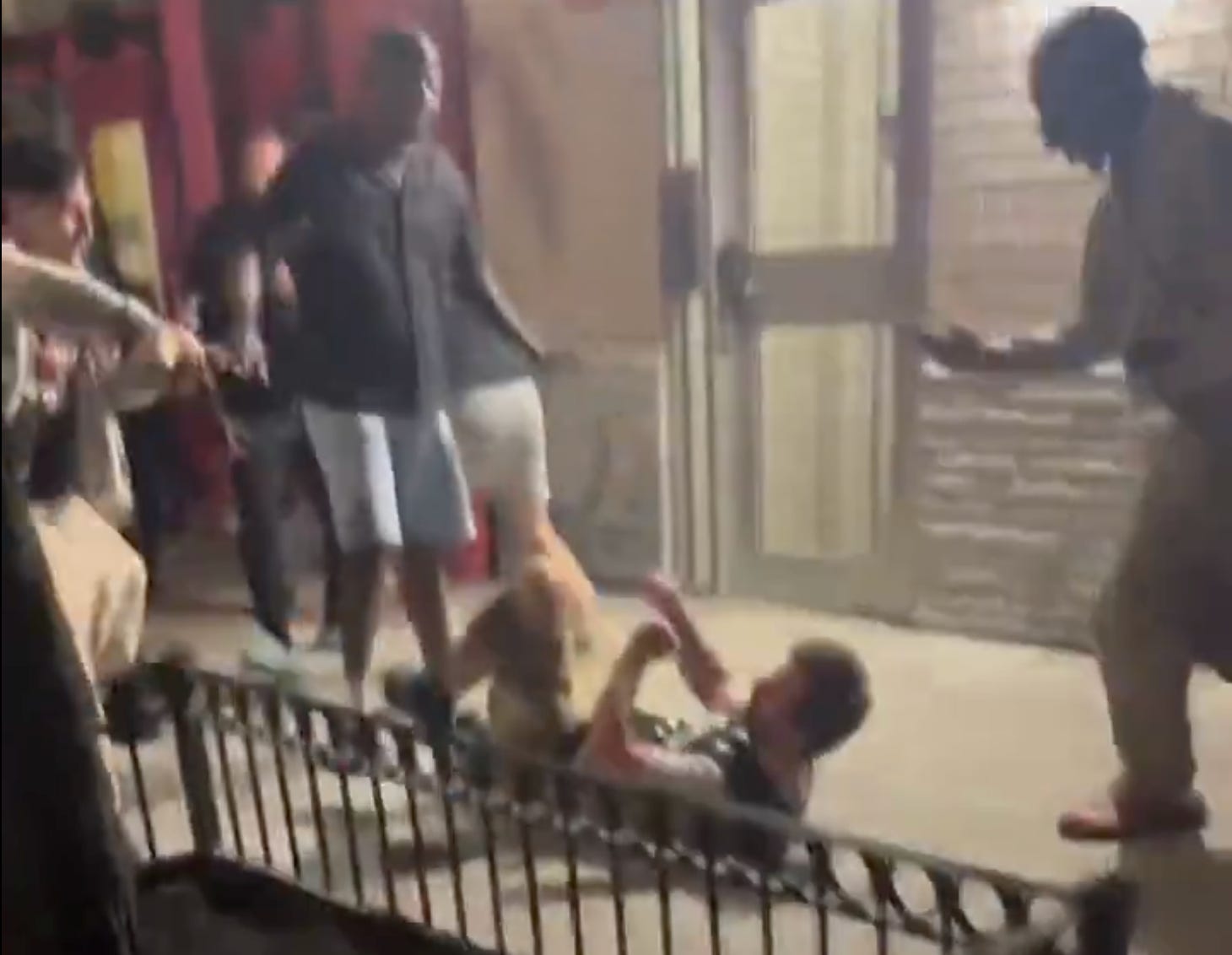
San Antonio mayor warns Spurs fans in New York to ‘stay vigilant’ ahead of Game 4 (SA Current) → Weak response from Mayor Jones. The Mayor isn’t wrong, but telling residents to “walk in groups” and “look after one another” is little more than a safety PSA. Spurs fans—maybe San Antonians—were chased through Midtown and attacked. Where is the announcement that the Mayor is working with Mayor Mamdani's office and the NYPD, that security commitments are in place around the arena and the watch parties, and that she'll hold them to it? Even the team isn’t safe—fans hurled eggs at Wemby outside the team hotel. Mamdani called the behavior unacceptable, but a statement doesn’t help keep visiting fans safe. The series comes back to San Antonio on Saturday, and visiting fans can expect a better & safer welcome here.
San Antonio apartment rents fall 3.3% as more than 70% of properties offer concessions (Business Journal) → The most effective tool we have for lowering housing costs is increasing supply. Surprise! Rents drop and San Antonio gets more affordable when supply beats demand. The article frames falling rents as a headwind for the market, and for landlords it is. For renters, however, it’s relief: rents are down 3.3% over the past year, and more than 70% of properties are offering some concessions, typically a month or two of free rent. There is no program in the city’s budget that could cut rents citywide by over three percent, but supply did. Important detail: less than four thousand units remain in the pipeline, and rent growth could resume once supply dwindles. If we want relief to last, we have to keep building.
Our Lady of the Lake University (OLLU) students can earn bachelor's degrees in three years (Express-News) → A creative attempt to differentiate in an economy with multiple small universities. Context is king, here: OLLU's enrollment has fallen precipitously in recent years, from around 2,900 students in 2019 to about 1,800 in 2025. OLLU changed the product entirely, cutting required credit hours for certain majors from about 120 to under 100 and the cost of a degree by 25%, to compete on time and price. San Antonio has multiple small local colleges and differentiation is likely the only path to survival for some. Still, expect others to release new and creative ways to attract more students.
UFL owners' decision to exit SA a costly fumble (Business Journal) → The UFL is gone for a reason. There's an arrogance in calling this a fumble when the league knew our attendance numbers when they left. The San Antonio Brahmas drew more than eleven thousand fans per game for a team that went 1-9—only two UFL teams beat that this season—but the owners knew it when the decision was made. "Right from the jump, Mike (Repole) challenged us on venues, to think smaller, more quaint," the league's president said. They looked at strong attendance in a cavernous dome and decided it wasn't worth staying. Maybe the bet fails—league-wide attendance is down and the move may well haunt them, these leagues are notoriously difficult business models anyway. But declaring it their “fumble” skips the truth.
The Pick
Our weekly recommendation for what’s going on in San Antonio
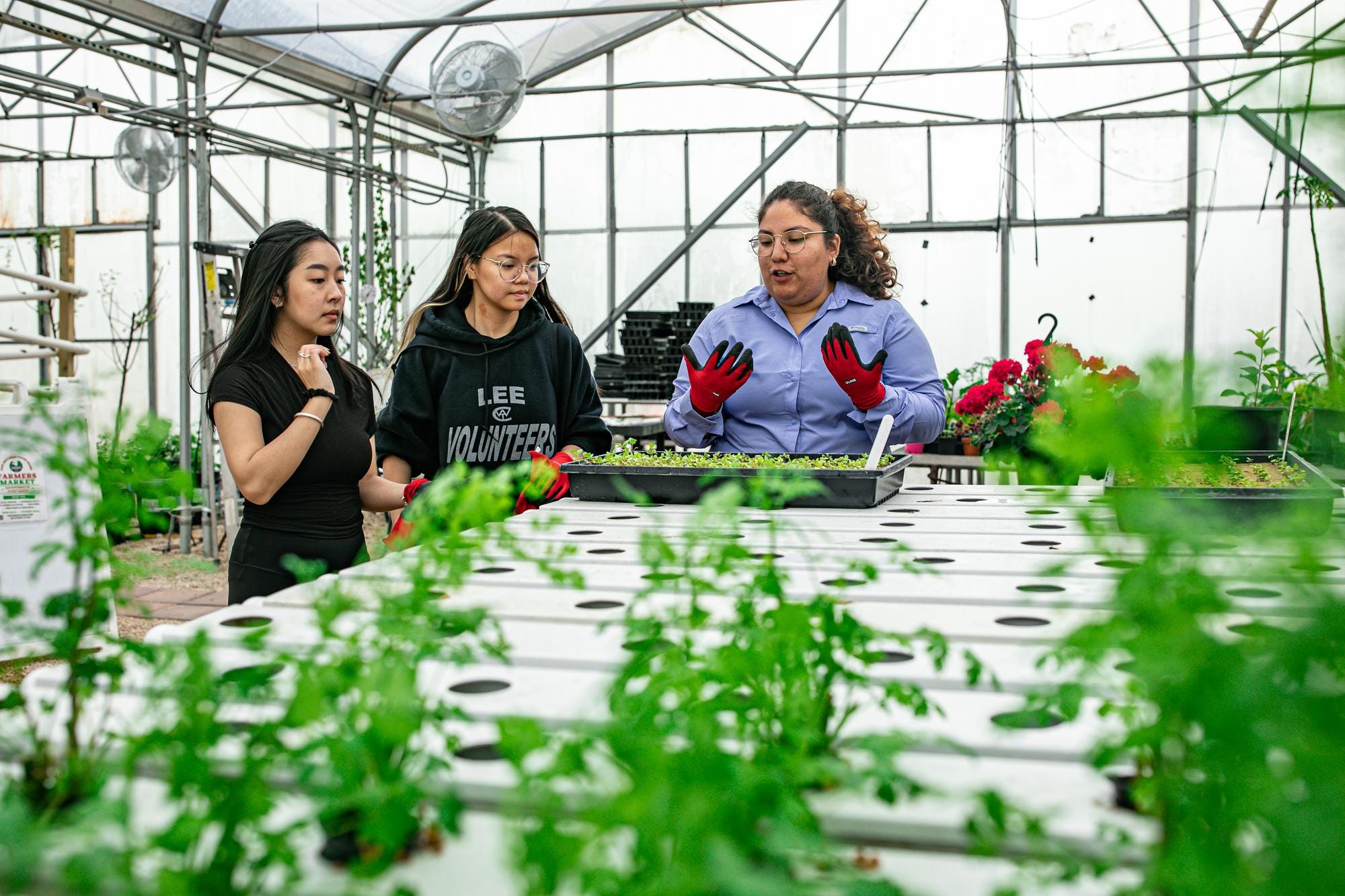
San Antonio Food Bank Urban Farm Tour
Though everyone may be focused on the Spurs, here’s something that you can do nearly any Thursday or Saturday (space dependent.) The San Antonio Food Bank runs a guided tour of its 25-acre urban farm—the largest in Texas, according to them—complete with greenhouses, fruit trees, rain-catchment cisterns, a commercial teaching kitchen, and the warehouse that moves 95 million pounds of food a year. It’s a big piece of civic infrastructure, and there are even ongoing volunteer opportunities.
Book through Delve Experiences, spots fill quickly. Or better yet, go volunteer. Located at 5200 Historic Old Hwy 90. $15; kids 3 and under free.
Thanks for another week. Follow us on your platform of choice: X/Twitter, LinkedIn, Instagram, and Facebook. Story tips and reader notes go to our reporter Jarrett Whitener at jarrett@thecivic.com, and my inbox is always open.
A particular thanks to our Charter members, whose continued generosity allows us to operate.
If something here landed, the most useful thing you can do is forward it to someone who should be reading.
Enjoy your weekend, go Spurs go, and see you Tuesday.
- Philip Reichert
Editor, The Civic