


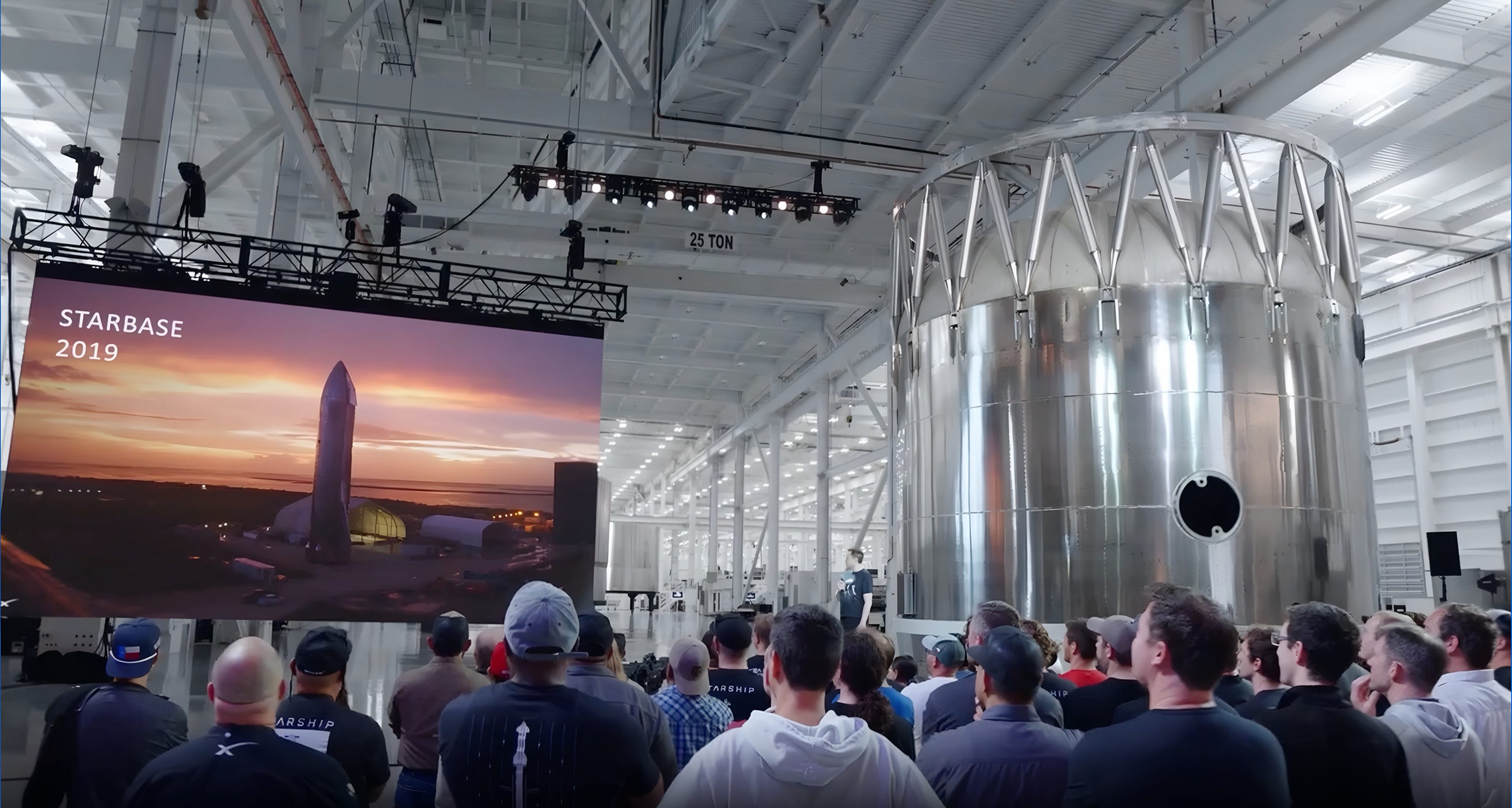
Love him or hate him, Elon Musk is the most consequential businessman in Texas. SpaceX’s Starbase operations alone have generated over $13 billion in economic impact over the last two years and support over 24,000 jobs. Tesla’s Austin Gigafactory supports another 16,000 jobs.
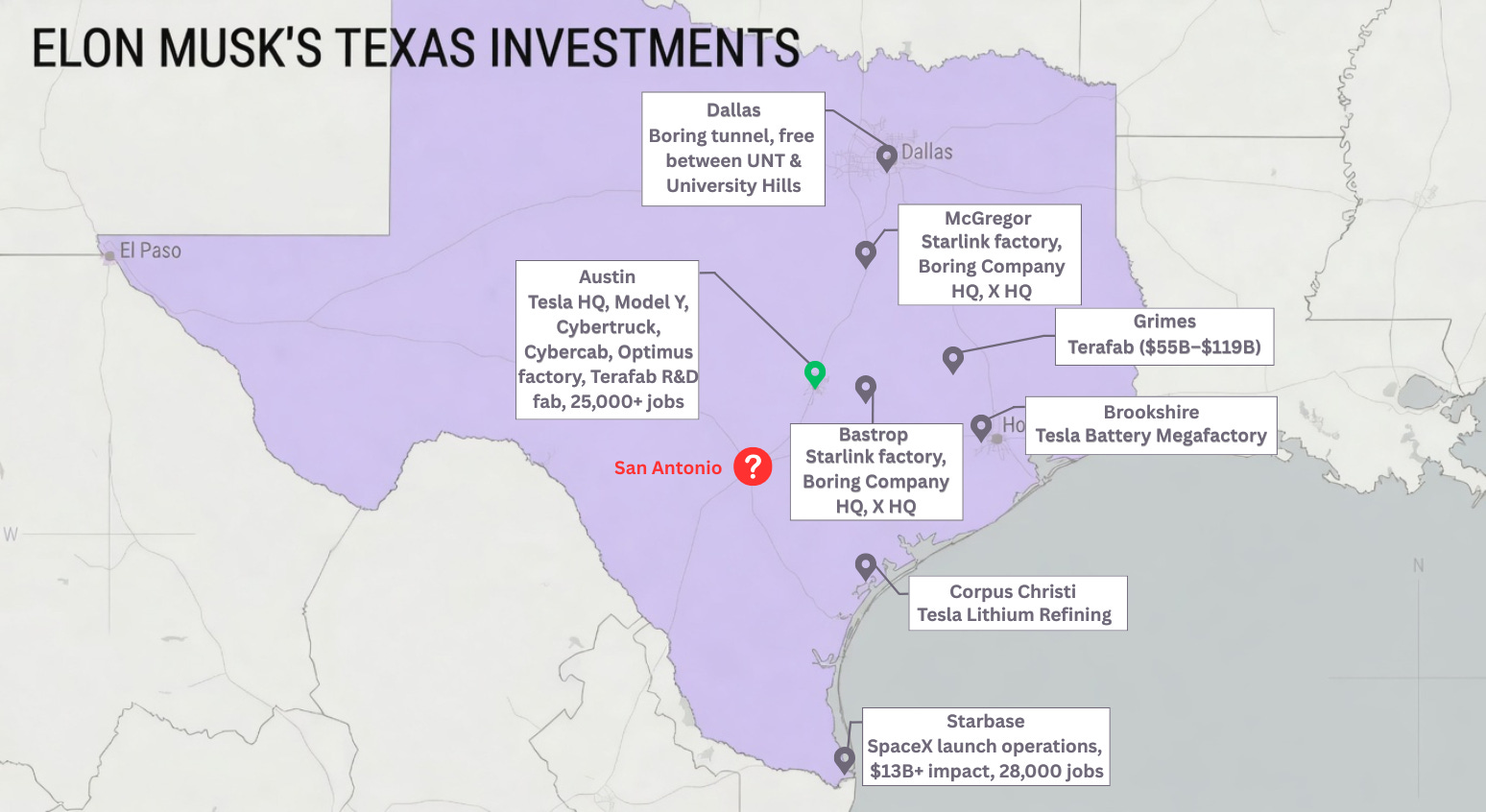
But those are just the most notable facilities. Tesla and SpaceX are also pouring at least $55 billion into a massive computer chip facility called Terafab, likely to be located in Grimes. Meanwhile, SpaceX is expanding its Bastrop semiconductor facility to build Starlink kits. McGregor is producing rocket engines. Brookshire, just outside Houston, will get a battery Megafactory. Corpus Christi is refining lithium. All come with jobs. And Starbase will hire 4,000 more workers this year. In 2024 alone, SpaceX did business with more than 350 suppliers and injected $147 million into the regional supply chain.
Even Dallas, though lacking a big Musk corporate investment, will be the beneficiary of a Boring Co. tunnel connecting the Dallas campus of the University of North Texas with University Hills, a large development approximately a mile away. Our own tunnel project went nowhere after Boring Co. “ghosted” us.
In sum, Elon’s companies are pouring tens of billions of dollars into the Texas economy. In every direction, the largest private economic force in Texas is building.
What about us?
San Antonio isn't starting from zero on physical technology. We have aerospace, defense, and applied R&D that punch well above the city's reputation. On paper, we are the perfect city for what Elon is trying to do. But every single announcement shares one common detail: not in San Antonio.
Over a decade ago, San Antonio made a serious bid for Tesla’s battery factory, reportedly offering $800 million in local incentives. Though media called us a frontrunner, we lost to Reno, Nevada.
Then, six years later, Tesla came back to Texas to build its next Gigafactory. The shortlist was Austin, Nashville, and Tulsa—San Antonio was not on the list. Austin won the factory, thousands of jobs, and later Tesla’s corporate headquarters.
We competed once, over a decade ago, and lost. Since then, we haven’t been in the conversation even as other cities across the state were picking up the phone and building relationships.
Some may say Elon is too politically charged to work with, but the job of city leadership is to promote opportunity at home. And Elon is creating a lot of it, and it is conspicuously all elsewhere. These other communities are working with him, we should be open for business too.
Former mayor Ron Nirenberg flossed the Tesla logo off of his car. He’s “no fan” of Musk but still drives the Tesla, albeit with a Toyota badge. That this even passes as “news” at all tells you something. One politician’s car badge is meaningless, but the instinct here was to perform for a political coalition rather than to compete for these jobs. He’s not alone.
Opportunity builds lives and it builds cities. Thumbing your nose at Elon may be politically advantageous but it doesn’t help San Antonio. We don’t need to lose jobs and investment to every other city in Texas willing to pick up the phone.
The Reframe
Proposed property tax hike divides City Council (Express News) → This is a spending fight pretending to be a revenue crunch. The solution to our fiscal crisis is simple: Spend less.
The most irresponsible thing that the City could do isn’t spending more, it’s spending more without examining the structural issues with our ever-increasing budget. In 2015, TPR described a recently passed $2.5B budget as “mammoth.” Just over ten years later, we’re “looking between the cushions” for our +$4B budget. Are things nearly twice as good as they were ten years ago? The honest conversation Council must have is zero-basing our ballooning expenditures and asking what’s actually working. This is a spending problem, plain and simple. The good news is that spending problems are easy to solve—just cut spending.
UTSA plans new ballpark facilities as fan support surges (Business Journal) → This is how a commuter school is seen as a real university. Competitive sports with local buy-in is the fastest way an institution sheds an old reputation and builds a brand.
The detail worth catching: 18 alumni put up more than $500,000 for the upgrades. That’s alumni pride and local capital backing a San Antonio institution because alumni believe in it, which is very difficult to build over time. Big schools with good academics accumulate these resources naturally over decades, but UT San Antonio is relatively young and small, and we’re just beginning to see that work pay off. The school is deliberately building itself into something the city can point to. Cities with credible flagship universities recruit better, retain alumni better, and tell themselves a better story. Despite numerous local institutions, San Antonio has been short on a credible flagship for a long time, and UT San Antonio is likely the only institution that can truly fill it.
Property tax changes hit Alamo Colleges finances in 2027 budget outlook (Express News) → Revenue contraction is when good intentions become expensive.
“We’re doing amazing things here at the Alamo Colleges. We don’t want to stop that. We don’t want anything to hinder that,” Alamo Colleges Board Vice Chair Joe Alderete Jr. said. This is the problem with nearly any government program: they all sound great. They all help people, they all have economic impact studies suggesting incredible returns on the investment of public dollars. And despite how important it is to the people of San Antonio, the Alamo Colleges budget and seemingly every other government program in town cannot be based on the idea of perpetual fiscal growth. Our good intentions in fiscal surplus must be paired with good stewardship during fiscal contraction.
The Pick
Our weekly recommendation for what’s going on in San Antonio
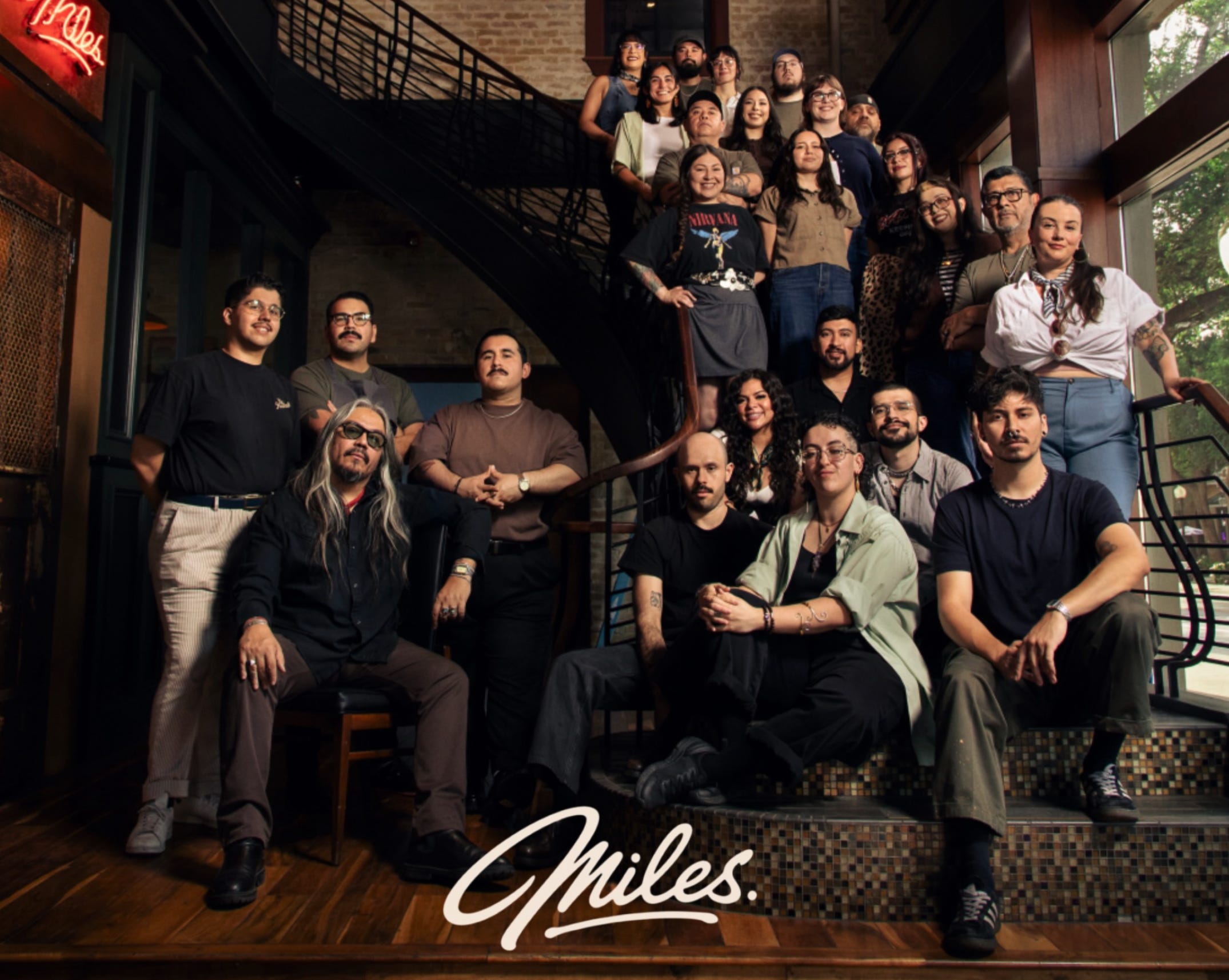
Miles opened last Friday in St. Paul Square
This is getting some buzz, and for good reason. Three San Antonio culinary vets—Matt Garcia, Tatanka Guerrero, and Steven Lopez—and it's the first thing they've owned on their own. In the old Francis Bogside space, rebuilt around a 360-degree central bar. They opened last Friday and are taking reservations now at the Resy link. Drinks-first room, food that holds its own, go check them out.
- Chad Carey, Empty Stomach Group
Starting next Tuesday, The Civic moves to two emails a week. Tuesdays will carry the column on its own. Fridays will be a shorter edition—the week’s reframes pulled into one place and something worth doing over the weekend. All part of our launch plan: more content, more features, and no more of your inbox than necessary. More exciting announcements to come in month 3.
A particular thanks to our Charter members, whose continued generosity allows us to operate.
If something here landed, the most useful thing you can do is forward it to someone who should be reading.
See you next Tuesday.
- Philip Reichert
Editor, The Civic