

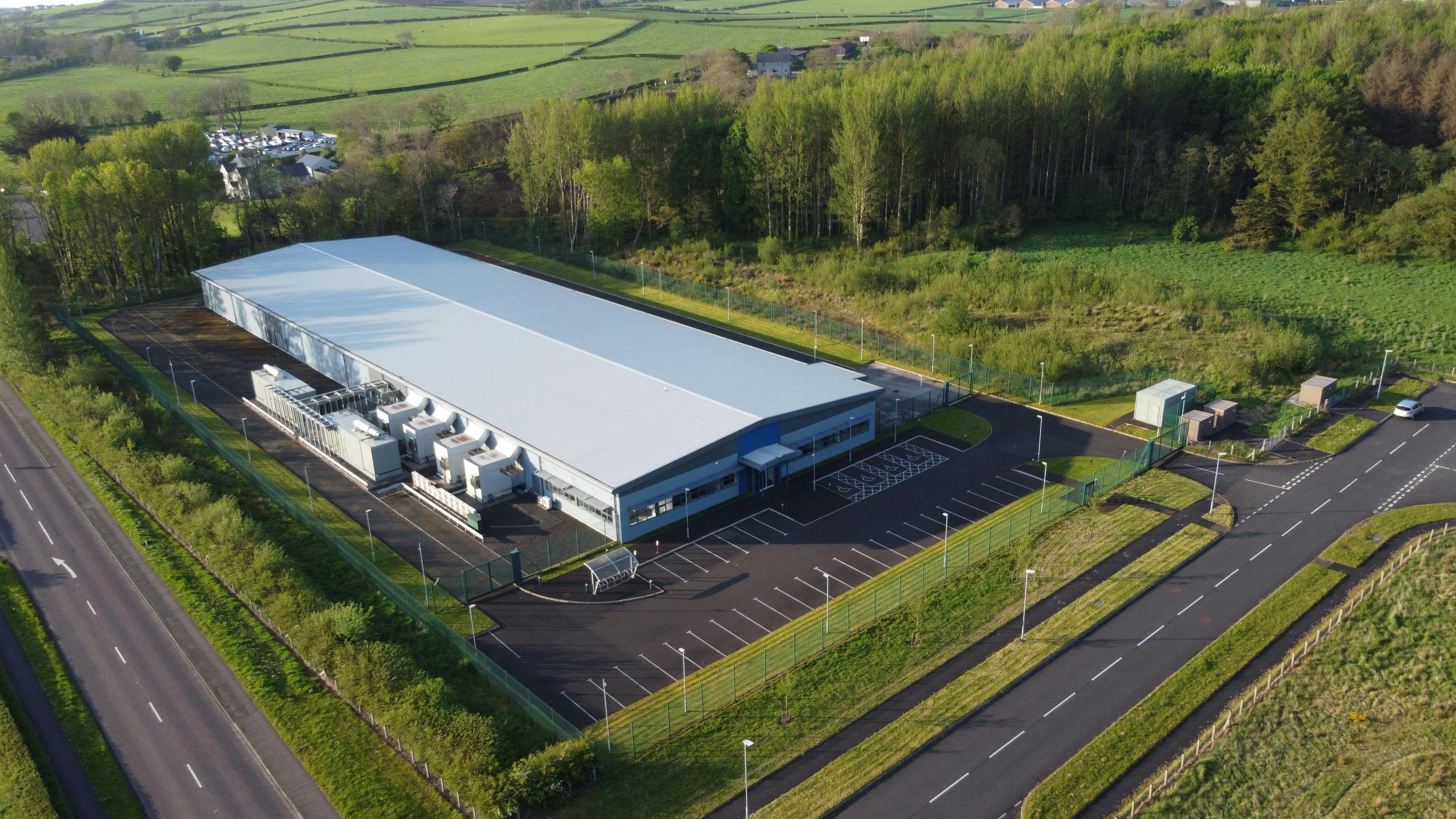
Last week, public officials in Cameron County voted to reject a tax break for SpaceX to construct a new $24 billion data center at Starbase, which appears to have derailed the project entirely.
The facility would have added 5,500 construction jobs and $13.8 billion in taxable property value from a single project. SpaceX planned to construct a natural gas power plant alongside the facility, allowing it to operate independently of the state grid. The company also proposed a closed-loop water cooling system to increase sustainability and efficiency. SpaceX suggested that it would consider future expansions to the facility, further increasing the tax value of the property. Upon completion, the company would employ 500 permanent workers at the site.
All that SpaceX requested in exchange for the massive investment was a 10-year complete tax abatement. Without it, SpaceX said that it would look into alternative counties for the project. Cameron County officials refused to move forward to a public hearing to even discuss the numbers or negotiate a deal. One official who voted in favor of the hearing described the project as “dead in the water.”
Their refusal has opened an opportunity for Bexar County and San Antonio to proactively pursue the investment.
After those 10 years, the property value, including all future development to the facility, would become subject to local property taxes. Based on SpaceX’s initial projected taxable value and current local tax rates, the project could generate approximately $39.5 million annually for Bexar County, with another $77.7 million for the City of San Antonio if constructed within city limits. Including school districts and other local taxing entities, the facility could generate more than $300 million in annual property tax revenue once the abatement expires.
Additional economic activity could result from thousands of construction workers and the hundreds of permanent jobs a megaproject of this scale would create.
Still, should taxpayers be forced to wait a decade to see their first return on a deal of this nature? SpaceX itself didn’t appear to think so, as it offered Cameron County predictable revenue throughout the abatement period through a payments in lieu of taxes (PILOT) proposal, according to a statement released on social media.
If local leaders get their wish, however, this opportunity won’t even get a glance. Recent proposals from San Antonio officials for the next legislative session in Austin include a litany of crackdowns on data centers. Heightened regulations on zoning and development are on the table at the state level, as is, despite 71 percent of San Antonio’s energy coming from coal and natural gas, a prohibition on fossil fuel-powered projects.
City officials likewise want to pursue detailed tracking for water usage by data centers. Austin has already implemented a similar program and found that data centers accounted for none of the city’s largest water consumers. SpaceX had planned to address those concerns in Cameron County nonetheless.
An October City Council vote already imposed some restrictions. The newly adopted amendment allows the body to frivolously mandate landscaping, signage, and parking standards for data centers at will. Despite this, officials still believed it necessary to force investors to obtain specific-use permits and limit development to designated industrial zones, all while offering no guarantee of approval even if developers fully comply.
The fate of prospective data center investors now falls entirely into the hands of a City Council majority. No other standard, if you could even call it that, exists.
Local governments cannot thrive if they do not consider the implications of their actions beyond the next election cycle. Cameron County will suffer from a lost opportunity because of this. Bexar County and San Antonio cannot afford to do the same by ignoring a chance to pursue a partnership with one of the world’s most innovative companies.